
Fiscal Mobilization for Disaster Response: Ensuring Stability Amid Climate Volatility
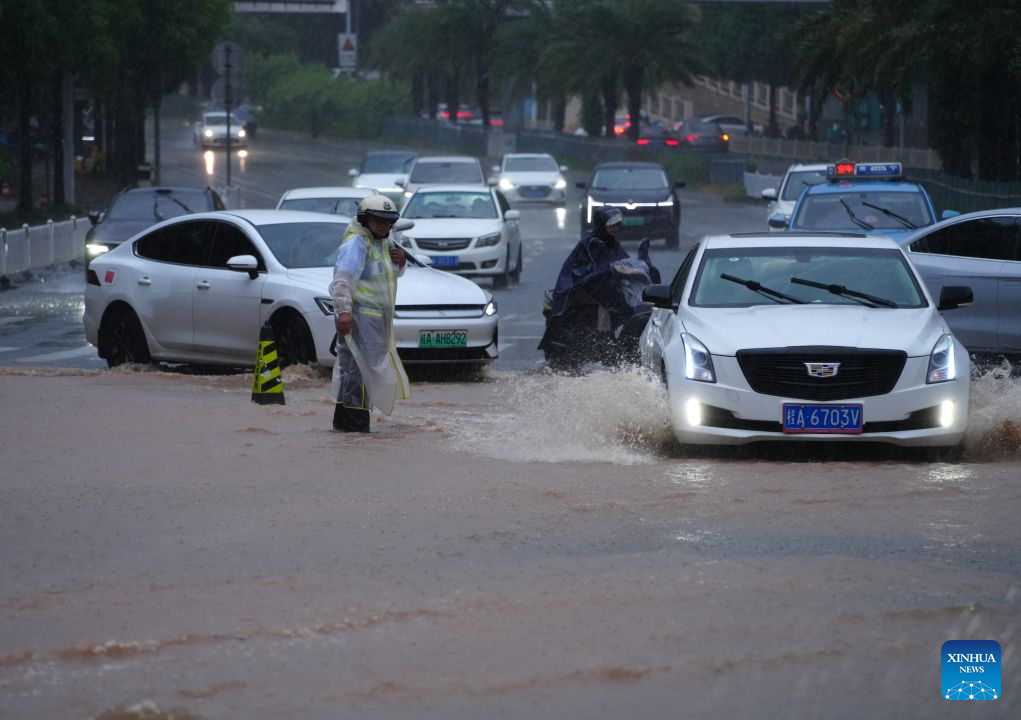
The allocation of 160 million yuan—approximately 23.5 million U.S. dollars—in central disaster relief funds marks a critical financial intervention to support recovery efforts across six provinces. As Typhoon Maysak and associated meteorological phenomena, including a cold vortex and strong southwest monsoons, continue to impact regions from Guangxi to Liaoning, the primary operational focus has shifted toward high-frequency emergency response. These funds, managed by the Ministry of Finance and the Ministry of Emergency Management, are essential for underwriting the immediate costs of search and rescue operations, the stabilization of displaced populations, and the high-priority repair of critical housing infrastructure. Given the projected intensity of upcoming rainstorms, which threaten to increase the probability of mountain torrents and urban waterlogging, this liquidity is a vital buffer against further systemic instability.
The management of such a large-scale disaster requires not only fiscal resources but also an optimized logistical framework to handle the geographical dispersion of the affected areas. When we look at the scale of operations, the focus is on a multi-layered approach to risk mitigation: from the initial emergency treatment of secondary hazards to the long-term structural rehabilitation of damaged homes. As discussed in People's Daily, the speed of this funding cycle—moving from budgetary approval to active disbursement—is a key performance indicator of a resilient emergency management system. Reducing the time-to-delivery for these funds can lead to a 15% to 25% improvement in the efficiency of emergency shelter operations, significantly lowering the recovery time for affected communities.
Looking ahead, the meteorological forecast for the next 48 to 72 hours predicts continued heavy precipitation, increasing the pressure on small and medium-sized river basins. The risk profile for regions like eastern Guangxi, Hubei, and Shandong is particularly high, necessitating a high-intensity monitoring stance. The efficacy of these relief efforts will ultimately depend on the precision of real-time sensor data and the robustness of the disaster-prevention networks currently in place. By prioritizing the identification of high-risk flood zones and maintaining a high level of preparedness, the authorities are working to minimize the variance between estimated damage and actual losses. This is a classic exercise in adaptive management: deploying financial capital precisely where it can mitigate the most physical risk while ensuring the continuous flow of essential services during these extreme weather events.
News source: https://peoplesdaily.pdnews.cn/china/er/30052581630
Join 3.2 million readers
Daily editorial galleries, delivered fresh each morning.
Hand-picked portraits, biographical features and cultural dispatches from Budapest — free, ad-light, and curated since 2009.
Enter the Gallery